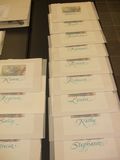
 The Artful Map workshop I taught last weekend at the North Cascades Institute's Environmental Learning Center began simply enough. Each participant received a packet of papers and reference materials plus two different pens to use. Many of the 14 did not consider themselves to be artists or designers, which made all the more bold their trust in the focused creative process into which they were entering. (Please click on an images for larger views.)
A few of the students arrived with an idea of a place of personal significance they wanted to map and brought some materials to refer to. All the students needed to arrive at a starting place for their maps after just 4 hours in the classroom. Then, the designing began. With most maps carrying a lot of detail including images and text, icons and roadways and paths, time was of the essence in the design and execution process. When you look at the work that was done in this class (and during evening hours for some), It's hard to believe that some of the map designers literally had never made anything like this before. Below you can see the early stages of two maps that illustrate the design process, and the finished pieces are below those.
To all of my students: You went above and beyond, and it was a pleasure to join you on your mapmaking journeys.
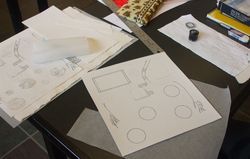
Regina Wandler's desk displays pencil work-ups assembled on a trial sheet, tracing paper, and the first phase of inking in of basic map elements.
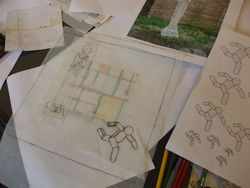
Patricia Resseguie had an idea for a map, so she collected materials at home to use in class. Even with this forethought, the actual design process brought surprises. Her map turned into a stained glass window (Frank Lloyd Wright-inspired)on her final map.
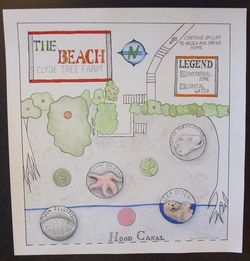
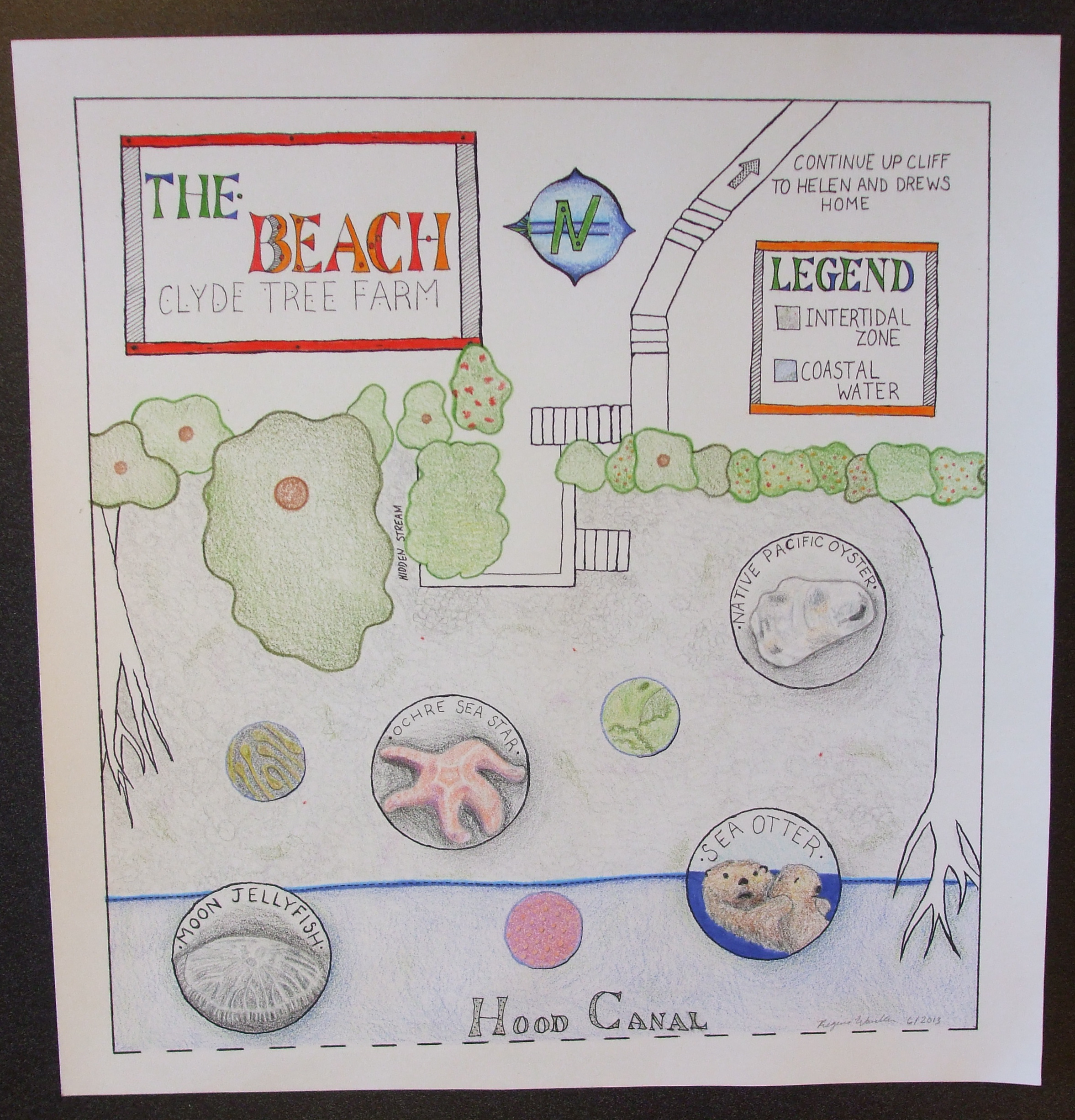
Regina's completed map. She used graphite, colored pencil, and ink.
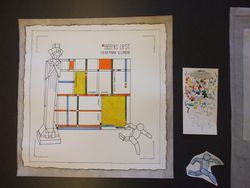
Patricia's map. She may eventually color the figure on the right. Ink and watercolor were used in the image, with the trompe l-oeuil effect in the border done with graphite.
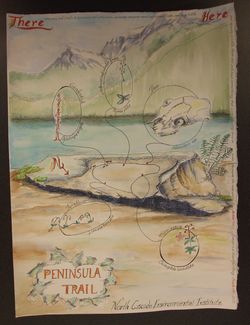
Kathy Brackett was inspired by the views and the natural objects seen from the Peninsula Trail on campus. Her unique approach of floating detailed images over her background painting worked well.
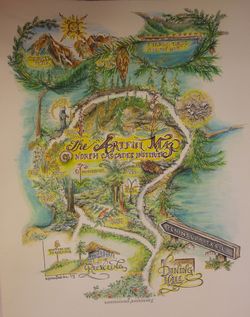
Karen Bakke's richly illustrated map of the Peninsula Trail includes a breathtaking wealth of detail and full color. The drawing was done in ink, followed by water-soluble colored pencils.

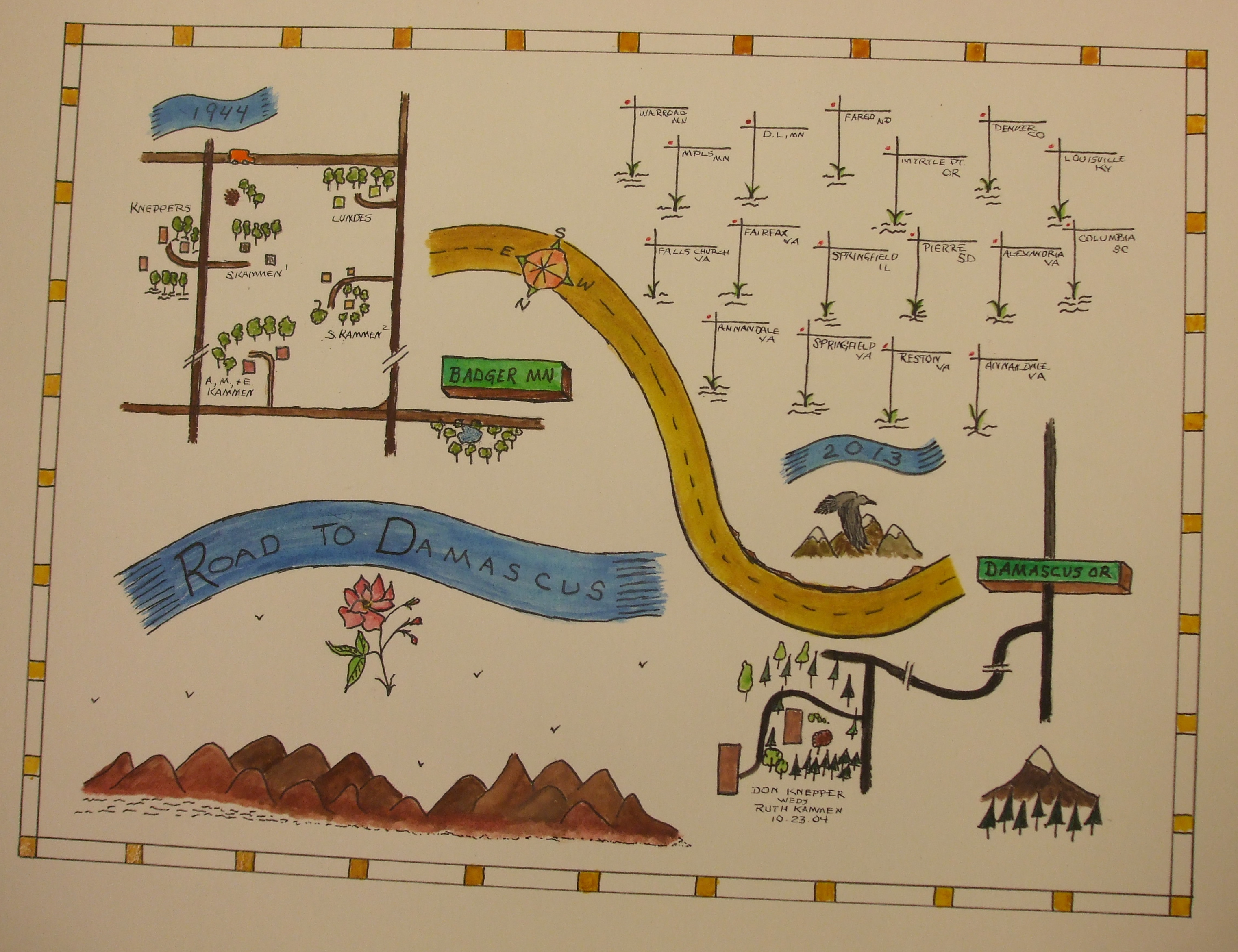
Ruth Knepper created a "map of my life" depicting her birthplace, the 17 moves she has made, and her current home. A lifetime, on one page! Ink and watercolor were used.
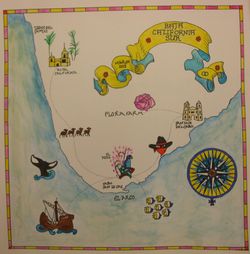
Rebecca Demaree commemorated her honeymoon trip to Baja California in this colorful map. Stylistic unity and a storytelling feel make this a fun map to look at.
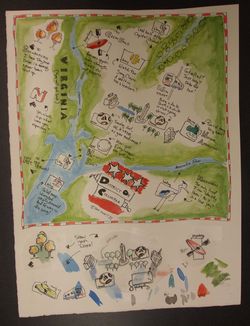
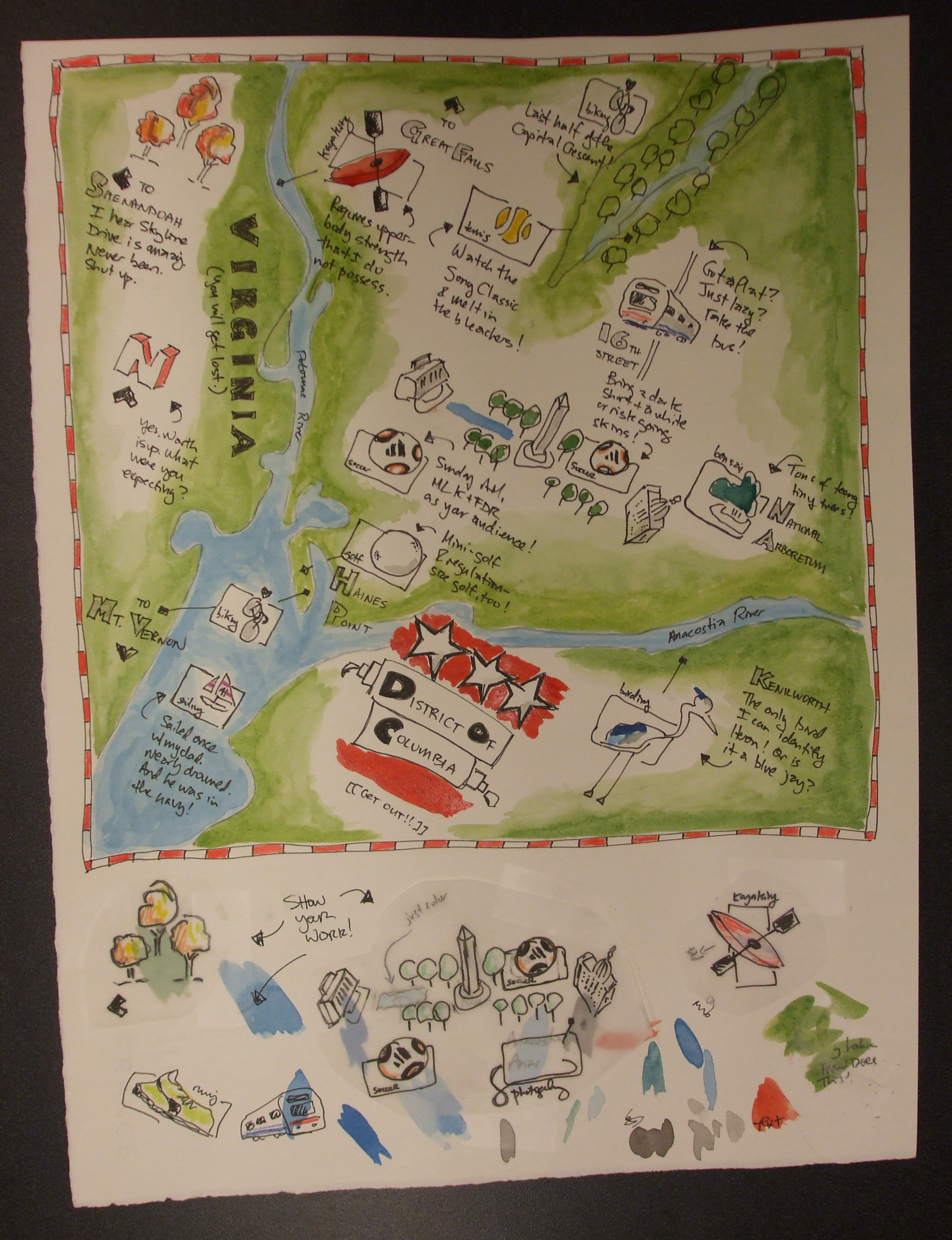
Scott Kirkwood drew a map of the section of Washington, DC where he lives, works, and plays. A sense of humor comes through with Scott's drawing style and his witty captions.
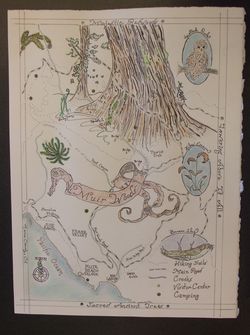
Linda Chauvin merged two layers by superimposing her illustrations of Muir Woods, CA, over a map of the area. The result, one classmate said, was "like a fairy tale." Linda burned a lot of midnight oil doing her final map.
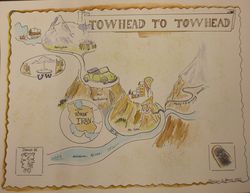
Marian Jones created a life's journey map based on her birth, schooling, marriages, and her ongoing quest for knowledge. Humor and Marian's joie de vivre permeate her map.
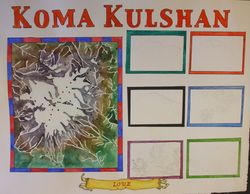
Stephanie Bennett honors one of her favorite peaks with a watercolor and the routes she has hiked to the summit. In the boxes she will ink in various views of the mountain.
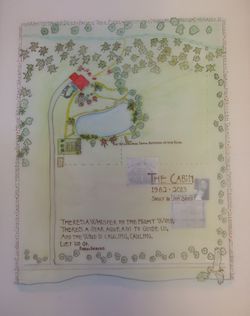
Sally Soest used a watercolor wash on paper as the bottom layer to a translucent mylar map. Graphite, watercolor, and careful lettering tell the story of the cabin.
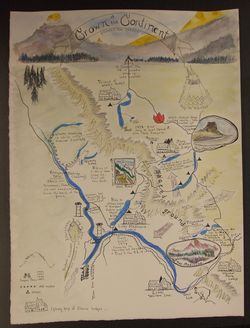
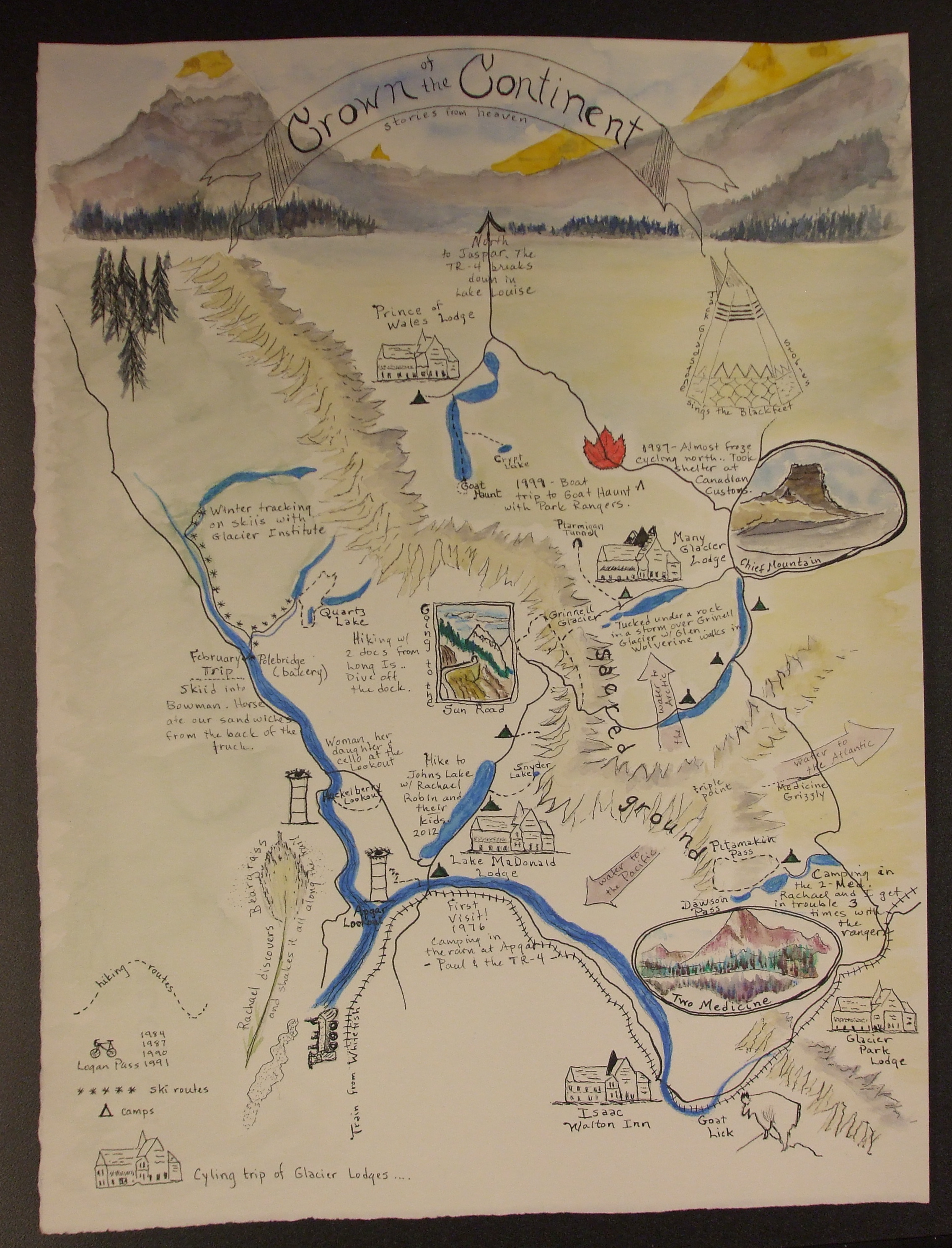
Renee Fredrickson commemorated many adventures within one geographical region: The Continental Divide. Trips dating from 1976 are recorded in drawings, insets, and notes.
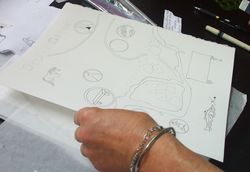 Shelley Spalding worked intensively on her map, the inked beginnings of which you see on the left. Shelley had to leave before class on the last day, so I didn't have a chance to take a photo of her nearly-finished map. I hope to receive a photo of it from her.
Thank you for your interest!
 Jocelyn Curry
Leave a comment